Most workplaces discuss fire wardens as if the role is a single task. In practice, emergency response inside a building works best when obligations are split between wardens that take care of floor‑level actions and a chief warden that coordinates the whole case. The difference matters the minute an alarm system sounds. One focuses on individuals and locations they understand by sight. The other takes a look at the whole website, makes decisions under time stress, and liaises with the fire solution. When those two functions are clear, drills run easily and real evacuations stay clear of the time‑wasting complication that leads to injuries.
This overview unloads the day‑to‑day obligations of a fire warden and a chief warden, the training paths like PUAFER005 and PUAFER006 that underpin competence, and the sensible details that assist an office comply with standards while developing a tranquility, qualified Emergency situation Control Organisation.
The Emergency situation Control Organisation, explained by experience
An Emergency Control Organisation, usually shortened to ECO, is the structured team within a facility that takes fee during an emergency. The ECO is not an academic graph on a wall surface. In an online emptying, it becomes an easy chain of activity and information. Fire wardens move areas, control doors, and assist individuals out. A chief warden commands from a control point, verifies alarm systems, rises or de‑escalates reactions, and connects with initial responders. Communications, timing, and clear function execution determine whether the procedure really feels organized or chaotic.
In Australian offices, the nationwide competency systems secure this framework. PUAFER005, labelled Run as component of an emergency control organisation, develops the structure for wardens. PUAFER006, Lead an emergency situation control organisation, establishes the leadership and control skills required for the chief warden and replacements. Whether you are a center manager in a high‑rise, a security lead in a storage facility with turning changes, or a school manager, these units form both initial training and refreshers.
What a fire warden actually does
A good fire warden is component precursor, part overview. They recognize their area's design, the most likely traffic jams, and that could struggle to evacuate. They likewise handle the first vital choices when a smoke alarm or manual call point triggers an alarm.
Before an event, experienced wardens walk their patch routinely, not simply during yearly drills. They find out which doors often jam, which staircase footsteps are loose, and where new furniture has actually sneaked right into egress routes. They keep a quiet eye ablaze extinguishers, signage, emergency lighting, and the status of first aid packages. While formal examinations are generally dealt with by facilities or contractors, wardens are the ones that observe early and record concerns quickly. They also aid determine wheelchair needs and create individual emergency emptying prepare for personnel or frequent visitors that require assistance.
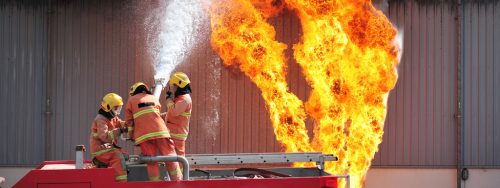
During an alarm system, the warden switches over to job setting. They inspect the closest info factor or panel repeat indicator https://www.firstaidpro.com.au/course/puafer006/ for guidelines. If the website makes use of organized alarms, they verify whether to examine or evacuate. They browse their location, moving with objective but not running, calling out rooms, inspecting washrooms and stockrooms, and leading individuals to the appropriate exit. They avoid obtaining bogged down in minor jobs. If a little, incipient fire is risk-free to attack with a nearby extinguisher, they could do so, yet just when it will not put them in jeopardy and only after calling for aid. They stop individuals re‑entering, close doors behind them to restrict smoke spread, and report status to the principal warden.
After an evacuation, a warden does a head count based upon roll or location expertise, notes any kind of missing individuals, and records to the setting up location controller. If a person rejected to leave, or if a secured door prevented the move, the warden says so clearly. Clear, candid coverage assists the chief warden and firemans prioritize their next moves.
The PUAFER005 course trains these practices. It is practical deliberately: understanding alarm systems, moves and searches, making use of fire equipment, aiding individuals with handicaps, and working within the ECO framework. When a training company supplies PUAFER005 well, individuals spend even more time moving and choosing than sitting through slides. Scenarios assist individuals discover the uneasy little bits like telling a supervisor to leave the structure during a real-time customer meeting.
The chief warden's role, and why it really feels different
If fire wardens are the legs of the ECO, the chief warden is the head. This role takes the wide sight and makes phone calls that affect the entire site. It requires calm under unpredictability and a desire to make decisions with insufficient information.
When an alarm turns on, the chief warden heads to the control factor, normally a fire control area, warden intercom panel, or a designated workstation near an emptying layout. They read the fire indicator panel, verify the area, and straight wardens to check out if the site's emergency plan enables. They initiate staged discharge if required. They call Three-way No if the alarm system is confirmed or if there is any type of uncertainty and the risk requires it. They coordinate with structure administration, protection, and plant operators. During discharge, they monitor communications, monitor which floors have actually been cleared, and readjust techniques if stairs are obstructed or smoke changes patterns because of HVAC.
A skilled chief warden knows just how to press interactions. They request for particular info: area clear, person missing, hazard kept in mind, or fire observed. They do not hold the radio switch down with long speeches. They likewise know when to rise. False alarms occur, yet awaiting assurance wastes the minutes that count. The majority of principal wardens I have actually trained claim the initial real event taught them to take little, very early activities also while gathering even more detail.
The chief warden's obligations do not end at the assembly area. They confirm head count, communicate with the fire solution on arrival, hand over a succinct scenario report, and go back when the incident controller from the authority thinks control. They remain offered, often providing details regarding developing systems, keypad areas, FIP areas, roof covering gain access to, and any type of unique risks like gas cylinders, batteries, or server spaces with tidy representative suppression.
The PUAFER006 course focuses on this leadership layer. Its full title, Lead an emergency control organisation, hints at the emphasis on command existence, structured decision‑making, and communication under pressure. A great PUAFER006 course places a radio in your hand, provides you a loud, uncertain circumstance, and pressures you to sequence activities while remaining intelligible. It should also cover handover to emergency services and post‑incident debriefing.
Hat colours and aesthetic identifiers
People ask about fire warden hat colour regularly than you may expect. High‑visibility safety helmets, caps, or vests assist spectators area leaders in a crowd. Conventions differ slightly by area and sector, yet typical practice in Australia follows this pattern. Fire wardens wear red safety helmets or red vests. The chief warden wears white. Deputy principals or interactions officers often wear white with recognizing markings or occasionally yellow. If you require a fast memory aid, think about a fire truck for wardens and a white commander's lorry for the chief.
If someone asks, what colour helmet does a chief warden wear, the plain answer is white. The function is quality, not style. In a loud loading dock or a school oblong filled with students, that white headgear or white chief warden hat helps individuals understand whom to come close to for directions. Many organisations additionally utilize arm bands for offices where safety helmets feel out of location. Whatever you pick, be consistent and preserve the equipment. A scraped sticker on a discolored cap does not motivate confidence during a real incident.
Staffing the ECO: numbers, shifts, and coverage
How lots of wardens do you require? The response depends upon flooring location, danger account, occupancy, and shift patterns. The objective is insurance coverage, not approximate proportions. In many multi‑storey workplaces, a flooring warden per occupancy or per zone jobs, sustained by wardens at each stairwell and lobby. Storehouses with big flooring plates need protection near high‑risk areas like battery charging stations and packaging lines. Schools assign wardens per block and playground areas. Healthcare facilities run an extra intricate design as a result of patient motion constraints.
Think in layers. Initially, ensure each area can be brushed up promptly. Second, make sure redundancy. People depart or relocate roles. Third, cover changes. If you have a night shift with ten personnel, you still need a warden and a clear line to a chief warden or an on‑call event leader. Training lineups must show this reality. The most typical failing I see is a website with 5 experienced wardens theoretically, however only one is ever before existing on a normal day.
Fire warden needs in the workplace
The core demand is proficiency backed by training, not a tick‑box certification alone. That means finishing a fire warden course straightened to PUAFER005, joining normal drills, and being detailed in the ECO with up‑to‑date contact information. Employers should record the emergency situation strategy, evacuation representations, warden duties, and tools places. They should additionally support refresher courses. A sensible tempo is yearly drills and refresher course training every 1 to 2 years, readjusted by risk and turnover.
Fire warden training demands likewise include knowledge with your specific structure systems. A warden educated generically yet unfamiliar with your fire panel's resemble display screen, your door hardware, or your sanctuary areas will think twice at the wrong moment. Stroll the website with new wardens. Program them specifically where the outside setting up location sits about wind and traffic. If you share a website with various other lessees, coordinate. Mixed messages over a common PA system can undo great preparation.
Chief warden needs and readiness
Chief wardens need to complete PUAFER006 or a comparable chief warden course that maps clearly to that competency. They require a replacement, and often a 2nd deputy for huge or complex websites. They need to be consisted of in more comprehensive business connection planning considering that emptying could be one branch of a larger occurrence. Turning is sensible. Construct a little bench of people that can step into the primary duty when the main is away. During drills, swap roles periodically so deputies get time in the hot seat.
Because the chief warden deals with exterior communication, created and spoken clearness matters. I often suggest brief radio drills: two mins at the beginning of a group meeting, a fast circumstance, after that a reset. In three months, your ECO will seem like an exercised staff rather than a nervous group stumbling over the push‑to‑talk.
Training paths: PUAFER005 and PUAFER006, and how to use them well
The PUAFER005 course, Run as part of an emergency situation control organisation, matches wardens and area managers that require to act emphatically in their prompt atmosphere. It covers alarms, evacuation treatments, human behavior, standard firefighting devices, and team effort within the ECO. A top quality shipment consists of practical walk‑throughs and hands‑on operation of hands-on call factors, extinguishers, and door launch devices. Evaluation should feel like presentation rather than an academic quiz.
The PUAFER006 course, Lead an emergency control organisation, builds on that. It thinks PUAFER005 understanding and afterwards layers leadership, communication, and event control. Anticipate scenario deal with transforming information, escalating directions, and time pressure. The very best training courses consist of a debrief that points out not just blunders yet additionally where decisions were sound given the details available at the time. That attitude aids leaders avoid paralysis in actual events.
Many suppliers pack these right into an emergency warden course stream so wardens can upskill to chief warden training later on. Choose a provider that understands your field. A circulation centre with hazardous items has different rhythms than a college campus. Ask just how they tailor scenarios.
Comparing functions with a practical lens
The simplest way to understand the distinction in between fire warden and chief warden is to consider decisions they make in the first 5 mins. A fire warden decides which course to take, who requires aid, and whether a tiny fire can be torn down safely. A chief warden determines when to rise from sharp to emptying, which floors relocate first, and when to call emergency situation solutions if the panel information is uncertain. Both functions depend on depend on. The principal needs to trust wardens' reports. Wardens have to trust the chief's timing.
A story shows the factor. In a multi‑tenant workplace tower, a scent of shedding plastic tripped an alarm on degree 13. The floor warden examined the web server area and found an overheated power supply with light smoke but no visible fire. The chief warden, hearing that report, purchased a presented evacuation. He held level 15 in place to stop stairwell blockage, sent a jogger to close down the heating and cooling to stop smoke spread, then called Triple Zero. By the time firefighters arrived, the server rack had cooled down with an extinguisher and the circumstance continued to be consisted of. The selection to hold a flooring seemed strange to some owners, yet it maintained the stairwells clear for the reacting team. That decision comes from a chief warden educated to think in layers instead of a solitary floor view.
Equipment: radios, panels, and practicalities
In a noisy emergency situation, radios defeat cellphones. Furnish wardens with UHF radios pre‑programmed to a specialized network. Supply spare batteries at the control point. Run a fast radio check prior to an intended drill so people recognize how their units act. Keep interactions brief and particular. "Degree 4 east wing clear, one wheelchair aid headed to Staircase B" tells a chief warden what matters.
Every ECO need to have access to building information that makes handover to firemens smooth. That includes a present site plan, unsafe materials register, secrets to plant areas, and a list of crucial shutoffs. If you handle a site with facility systems like gas reductions in an information centre or lithium battery storage space, give the chief warden a simple laminated rip off sheet to reference under stress. It is not regarding memorizing every information. It has to do with making the right action noticeable at the appropriate time.

Human actions, the part training must respect
People seldom act like the diagrams in evacuation posters. Some will certainly want to end up an email. Others will certainly attempt to make use of lifts. Managers often wait to desert meetings with customers. The warden's silent self-confidence and existence adjustments outcomes. A solid voice, clear guidelines, and eye get in touch with matter greater than you believe. Regard that some individuals panic. Couple them with calmer colleagues. Anticipate that or two will certainly head to their vehicle out of behavior. Terminal a warden at the parking lot entrance if your design encourages that impulse.
Chief wardens need to expect fragmented reports and make space for them. During a drill at a manufacturing plant, I saw a chief warden ask, "What do you need?" rather than "What is your status?" The reply moved from an obscure "We're nearly clear" to "We need a second individual to help move a worker on props." The right inquiry created the best action.
Colour, recognition, and chairing the assembly
At the setting up location, visual identifiers remain important. The chief warden in white must stand near the setting up sign, preferably on a minor elevation if offered, so they become a centerpiece. Location wardens in red group their teams, run a fast count, and feed numbers up. Nothing drags a drill out like silence on the radio while individuals wait on permission to report. Show wardens to talk when all set. A short, crisp "Marketing 22 accounted for, one checking out service provider unknown, most likely left website half an hour ago" is better than a mumbled headcount without context.
Common mistakes and how to stay clear of them
- Overreliance on one person: If your chief warden is a single factor of failure, routine a replacement into every drill and give them time at the controls. Equipment knowledge voids: New panels, brand-new intercoms, or a recent refurbishment can turn certain people unsure. Do a 15‑minute show‑and‑tell after any kind of change. Assembly location drift: If the assigned area ends up being harmful because of website traffic or building and construction, update diagrams and signs promptly. Do not rely upon verbal updates alone. Forgotten specialists and visitors: Sign‑in systems are only as good as the procedure at emptying. Train reception to bring a visitor list and guarantee wardens recognize just how to search spaces site visitors frequent. False alarm system complacency: After a couple of hassle alarm systems, people disregard. Counter this by differing drill circumstances, sharing quick case understandings, and preserving monitoring support for timely evacuations.
Selecting and supporting wardens
Not everyone appreciates routing others under stress. When selecting wardens, try to find constant character, great expertise of the location, and reliability amongst coworkers. Ranking helps but is not necessary. Several of the best wardens I have actually seen are mid‑level staff that know every corner of their flooring and have the persistence to shepherd people without flaring tempers.
Support them with time and acknowledgment. Place warden tasks in work descriptions. Inform new hires that the wardens are. Post their names and photos near emptying layouts. Replace old vests and radios without quibbling. If somebody does an excellent task during a drill or an actual event, say so publicly. That tiny gesture develops a culture where people offer as opposed to evade the responsibility.
The training cadence that really works
A workable pattern resembles this. Wardens complete a fire warden course lined up to PUAFER005, with sensible workouts on site. Principal wardens and replacements finish the PUAFER006 course and run a brief interior circumstance once a quarter. The site runs 2 formal evacuations a year, one with development notification to minimize disturbance and one surprise to evaluate readiness. After each, hold a 15‑minute debrief. Capture 3 things that went well and 3 things to transform. Appoint owners to repairs. Keep the loop little and tight so changes happen prior to the following drill.
If you require a connecting choice in between courses, run a brief warden training freshen concentrating on a solitary ability, like making use of fire extinguishers or radio brevity. Micro‑drills develop self-confidence without hindering operations.

Pathways and development for individuals
Many people begin as wardens and relocate into the chief role after a year or two. That progression makes good sense. PUAFER005 premises them in the functionalities. PUAFER006 after that broadens their lens. A chief warden course is an excellent step for a centers organizer, safety consultant, or procedures supervisor that currently lugs duty for people and possessions. If you are building an internal path, map it explicitly. Let wardens recognize what extra training and exposure they require to lead. Invite them to being in the control space throughout a drill to observe the chief at the office. That trailing often gets rid of the enigma and fear.
Sector nuances: offices, industry, education, healthcare
Offices normally deal with crowd circulation challenges in stairwells and sychronisation with several occupants. Wardens need to recognize alternate routes and just how to prevent channeling everyone to the very same touchdown. In commercial settings, equipment shutdowns and harmful products introduce extra steps. Wardens require to recognize just how to isolate devices safely and when not to step in. Schools handle students who may scatter or postpone to accumulate valuables. Simple, duplicated guidelines and strong teacher‑warden sychronisation make the difference. Healthcare settings complicate evacuation with clients that can not move. Defend‑in‑place techniques, horizontal emptyings, and compartmentation are common. In each sector, dressmaker training. The device codes continue to be helpful, however the scenarios ought to fit your reality.
The peaceful worth of documentation
A clean, present emergency situation strategy is not a binder for auditors. It is a living referral. Maintain evacuation diagrams exact. Testimonial them after layout modifications. Record ECO subscription with names, duties, and call numbers. Keep the last two debriefs' notes at the control factor. During one case at a head office, the incoming fire policeman discovered the notes and promptly understood prior problems with a persistent magnetic door. The repair was underway. That small moment built trust between the website group and the responders.
Putting it all together
Fire wardens and chief wardens execute different, corresponding work. Wardens act in your area with rate and presence. Principal wardens lead the entire feedback, tie together pieces of information, and make time‑sensitive choices. The training paths mirror this split. PUAFER005 educates individuals to run as component of an emergency control organisation. PUAFER006 prepares them to lead one. Both are entitled to sensible distribution, frequent refresher courses, and visible management support.
If you are setting up or enhancing your ECO, start with clear roles, right‑sized staffing, and sensible drills. Purchase communication abilities as much as technical knowledge. Use easy aesthetic identifiers: red for wardens, white for the chief. Keep equipment and documentation. Most importantly, grow a culture where individuals follow directions because they trust the leaders giving them. In an emergency, that trust fund decreases reluctance, opens up stairwells, and obtains everybody outside much faster. That is the actual step of a skilled ECO, and it is within reach when training equates right into exercised, positive action.